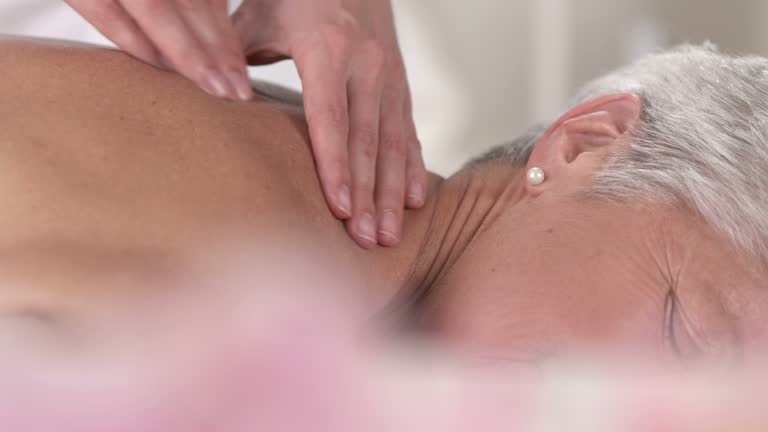
If you’re searching for massage therapy in Rhodes, you’re probably not looking for something “nice to have,” you want real relief. Maybe your shoulders are tight from desk work, your lower back is stiff after long commutes, or your legs feel heavy after training along the Parramatta River. Whatever has brought you here, the right massage can help reduce muscle tension, improve mobility, and support your overall well-being.
Rhodes is busy, modern, and always on the move. Between work deadlines, gym sessions, parenting, and life admin, it’s easy for the body to build up stress and strain. Massage therapy offers a practical way to reset, recover, and keep your body performing at its best, not just for today, but for the long haul.
Why Massage Therapy Matters for Rhodes Locals
Massage is more than relaxation. When performed with purpose, it can address muscular tightness, improve circulation, reduce sensitivity in overworked tissues, and help you feel more comfortable in your day-to-day movement.
Many people book massage therapy in Rhodes because they want help with:
-
Persistent neck and shoulder tension
-
Tight hips and lower back discomfort
-
Headache patterns linked to muscular stress
-
Sports soreness and training-related fatigue
-
Postural strain from sitting, laptops, and phones
-
Stress management and improved sleep quality
Massage works especially well when it’s tailored to your lifestyle. That’s why an evidence-informed approach typically includes understanding what you do all day, how you sit, how you lift, how you train, and what your body is trying to cope with.
Massage Therapy Rhodes NSW: Built for Modern Life
Living in Rhodes, NSW often means a mix of sedentary time and sudden bursts of activity — long periods seated, then gym, then errands, then chasing the kids around. This stop-start load can make muscles tighten and joints feel restricted. Massage therapy can help your body handle these demands by improving tissue quality and reducing that “wound up” feeling that doesn’t go away on its own.
Types of Massage Available and What They’re Best For
Not all massages are the same, and “firm” doesn’t always mean “effective”. The best results come from choosing the right style for your goals and your body’s current state.
Remedial Massage for Pain and Dysfunction
Remedial massage focuses on specific problem areas. It’s commonly used for:
-
Knots and trigger points in the upper back and shoulders
-
Muscle tightness is contributing to postural discomfort
-
Overuse patterns in the hips, calves, forearms, and hamstrings
-
Ongoing soreness that returns after work or training
A remedial approach often involves targeted pressure, tissue release, and a plan for what to do between sessions so results last longer.
Deep Tissue Massage for Stubborn Tension
Deep tissue massage is useful when you have thicker, tighter muscle layers or chronic tightness that feels “stuck”. It can support:
-
Reduced stiffness in the back, glutes, and legs
-
Better flexibility and movement quality
-
Relief from long-standing muscular guarding
That said, deep tissue should still be controlled and appropriate; too intense can flare tissues rather than help them.
Sports Massage for Performance and Recovery
If you train regularly, sports massage can be a game-changer. It supports:
-
Faster recovery between sessions
-
Reduced post-training soreness
-
Better movement for running, lifting, and field sports
-
Management of niggles before they become injuries
Sports massage often targets the muscles you load most: quads, calves, glutes, hamstrings, hip flexors, lats, and shoulders.
Relaxation Massage for Stress and Reset
Sometimes you don’t need targeted pain work; you need your nervous system to calm down. Relaxation massage can help with:
-
Stress relief and mental reset
-
Sleep quality improvements
-
General muscle tension from busy weeks
For many people, combining relaxation-based techniques with a few focused remedial releases delivers the best of both worlds.
Common Problems Massage Therapy Can Help With
Massage therapy is frequently used as part of a broader wellbeing plan, particularly when discomfort is linked to muscle tension, overuse, or posture.
Neck, Shoulder, and Upper Back Tightness
This is one of the most common complaints for people working on laptops. Tight traps, sore shoulder blades, and stiffness around the neck can build quietly over weeks. Massage can help reduce muscle tone and restore comfort, especially when paired with simple posture and movement changes.
Lower Back and Hip Tension
Lower back discomfort is often influenced by tight hips, glutes, and core fatigue. Massage can release overworked tissues and reduce the pulling sensation that makes bending and sitting uncomfortable.
Headache Patterns Linked to Muscle Stress
Some headaches are associated with tension in the neck, upper shoulders, and jaw area. Massage may help by reducing muscular trigger points and calming the stress response that contributes to tension build-up.
Gym Soreness, DOMS, and Training Fatigue
If your body feels heavy after leg day, or you’re getting that repeated tightness in calves or hips, massage can support recovery, especially when training volume is high.
What to Expect from a Massage Therapy Session in Rhodes
A good massage session isn’t generic. It should feel personal, professional, and focused on your outcomes.
H3: A Quick, Helpful Check-In
You’ll usually discuss where you’re tight, what movements feel limited, and what you’ve got coming up (work, sport, travel). This guides the style and intensity.
H3: Targeted Treatment That Matches Your Needs
Your therapist may work through key areas using a mix of techniques such as:
-
Trigger point therapy
-
Myofascial release
-
Deep tissue pressure (as tolerated)
-
Stretching and mobility-based work
H3: Aftercare You Can Actually Use
Many people get better results when they follow simple aftercare:
-
Drink water and avoid heavy training immediately after deep work
-
Do gentle mobility drills for the treated area
-
Use heat or light movement to avoid post-massage stiffness
Massage Therapy and Long-Term Results: The Smart Way to Use It
Massage can feel amazing after one session, but long-term change often comes from consistency and strategy. If your tension returns quickly, it may be linked to factors like desk setup, stress, sleep, training overload, or movement patterns.
That’s why many people use massage therapy as part of a bigger plan:
-
Regular maintenance sessions during high-stress periods
-
More frequent visits during injury recovery
-
Monthly sessions to support training or desk work
-
Combined care with movement advice and strength work
If you’re working with a clinic like Spyne Chiropractic, massage therapy can also be integrated with broader musculoskeletal care to support posture, mobility, and recovery goals in a structured way.
How to Choose the Right Massage Therapist in Rhodes
When you’re looking for massage therapy in Rhodes, consider more than proximity. A quality provider should offer:
-
Clear communication and consent around pressure and comfort
-
A personalised approach (not a copy-paste routine)
-
Professional standards and hygienic practice
-
Practical guidance for managing your symptoms outside the clinic
-
The ability to adapt techniques for your age, body type, and pain sensitivity
The best massage is the one that matches your needs on the day. Some days you’ll benefit from deep remedial work, other days a nervous system reset is exactly what your body needs.
FAQs About Massage Therapy Rhodes
How often should I get massage therapy?
It depends on your goals. For active people or high-stress periods, weekly or fortnightly can help. For general maintenance, monthly is common.
Will massage therapy help with posture?
Massage can reduce tightness that contributes to postural strain, but long-term posture changes usually need strength and movement work too. Massage is a great support tool in that process.
Is deep tissue massage always better?
Not necessarily. Too much intensity can cause soreness or irritation. The “best” massage is the right technique and pressure for your body and symptoms.
Can I train after a massage?
Light exercise is usually fine, but after deep remedial work, it can be smart to keep training moderately for the rest of the day. Your therapist can guide you based on what was treated.