To reduce anxiety immediately, slow your breathing (for example, count to three as you breathe in and three as you breathe out), ground yourself by naming things you can see and hear, and release muscle tension by tensing and relaxing each muscle group. These steps may ease symptoms in the moment but will not replace professional care if anxiety is frequent or overwhelming.
Your heart is racing, your thoughts are spiralling, and the meeting, the drive or the conversation is still ahead of you. When anxiety spikes, you want something you can do right now, not a lecture on lifestyle changes. This guide covers practical ways to reduce anxiety immediately, drawn from Australian health sources, plus what to do afterwards and when to get help. These are in-the-moment tools, not a cure, and what works varies from person to person.
Key Takeaways
- Start with your breathing. Slow, steady breaths are the quickest tool most people have.
- Anchor yourself in the present. Name what you can see and hear to interrupt racing thoughts.
- Release your muscles. Tensing and relaxing each group can ease physical tension.
- A panic attack peaks and passes. Healthdirect says symptoms usually peak within 10 minutes.
- Chest pain needs care. If you think you may be having a heart attack, call 000.
- Quick tools are not treatment. Frequent anxiety deserves support from a GP or psychologist.
Why anxiety feels so physical
Anxiety is not only a thought. Healthdirect (checked November 2026) lists a racing heart, trouble breathing, sweating and dizziness among the symptoms of intense anxiety or panic. That is why the fastest tools work through the body first: breathing, attention and muscle tension.
Six steps to try right now
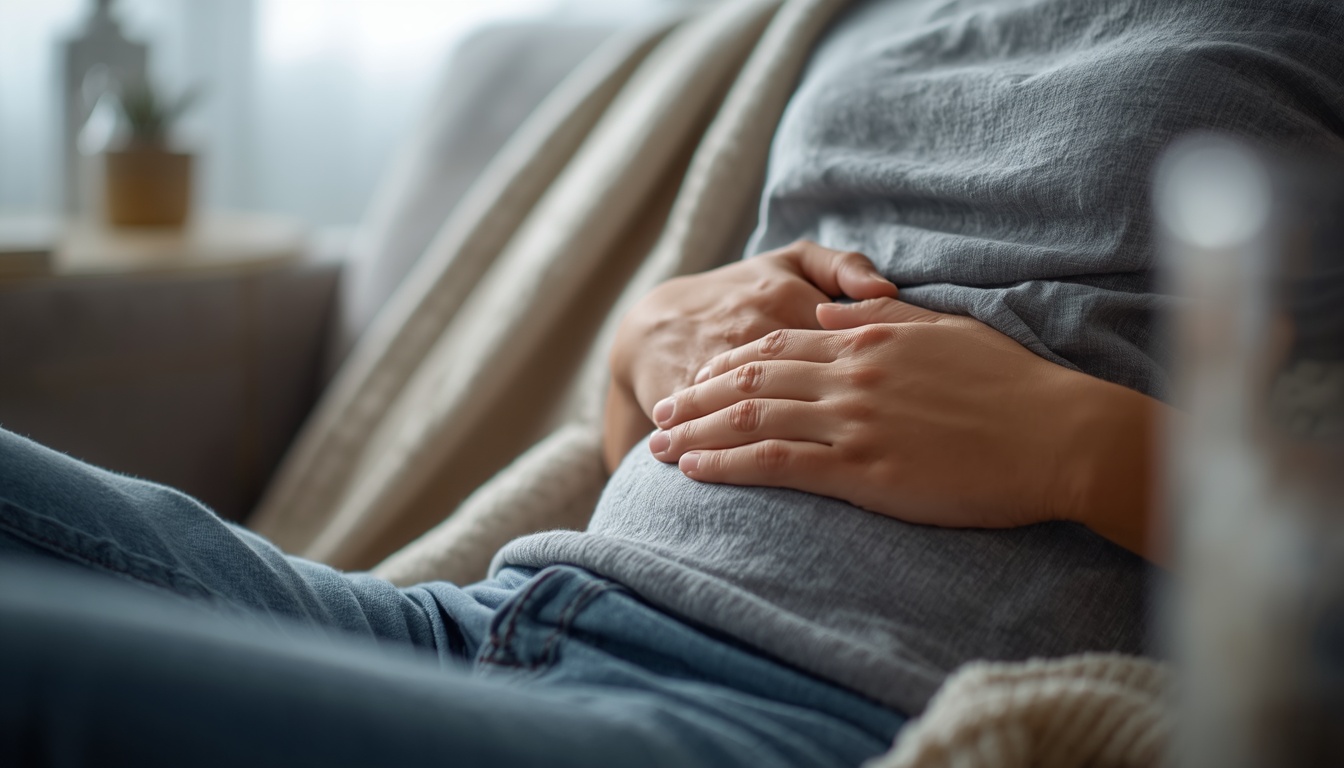
- Slow your breathing. Beyond Blue (checked November 2026) suggests counting to three as you breathe in slowly, then counting to three as you breathe out slowly. ReachOut (checked November 2026) also mentions 4-7-8 breathing. Keep going for a few minutes.

- Ground yourself with 3-3-3. While breathing deeply, name three things you can see, then three sounds you can hear, as ReachOut describes. It pulls your attention back to the room you are in.
- Relax your muscles. Beyond Blue’s version: close your eyes and slowly tense and relax each muscle group from your toes to your head, holding the tension for three seconds and releasing quickly. If you cannot find a quiet spot, start with your hands and shoulders.
- Check the facts. Beyond Blue notes that anxiety can make you overestimate danger and underestimate your ability to cope. Ask yourself whether the thought is actually true.
- Park the worry. Beyond Blue suggests setting aside about 10 minutes a day to think about or write down your worries. In the moment, tell yourself it can wait until then.
- Move your body. Beyond Blue lists keeping active and spending time outdoors among its strategies. Even a short walk can help shift your focus.
If it is a panic attack
Healthdirect describes a panic attack as a sudden, intense feeling of fear that can come without warning, with symptoms that develop quickly and usually peak within 10 minutes. It recommends breathing exercises during an attack.
The symptoms can feel like a heart attack. If you have chest pain and think you may be having a heart attack, call triple zero (000) immediately. If it is your first panic attack, or you are unsure, get medical advice.
Building habits that make spikes smaller
Quick tools work best alongside everyday habits. Beyond Blue lists eating well, keeping active, spending time with family and friends, and doing activities you enjoy. None of these is a quick fix, but together they may make spikes less intense over time.
Common mistakes
- Expecting one technique to work for everyone. Beyond Blue says the best coping strategy differs from person to person.
- Forcing big gulps of air. Aim for slow, gentle breaths instead.
- Assuming chest pain is always anxiety. If you are unsure, call 000.
- Waiting too long for support. If anxiety keeps returning, talk to a professional.
A worked example
Hypothetical example, for illustration only. Jordan, an invented office worker, feels their chest tighten before a presentation. In the corridor, Jordan breathes in for three counts and out for three, then names three things they can see and three sounds they can hear. The feeling eases enough to walk into the room.
Afterwards, Jordan notices the same tightness has shown up before several meetings this month. That pattern is the cue to book a chat with a GP or psychologist, not just rely on quick tools.
When to get support
Reach out if anxiety is frequent, disrupts sleep or work, or leads you to avoid places or people. A GP or psychologist can help you work out what is going on.
If you or someone else is at immediate risk of harm, call 000. Beyond Blue’s urgent help page lists Lifeline on 13 11 14 for 24/7 crisis support, and you can call Beyond Blue on 1300 22 4636.
Anxiety support in Rhodes
Many people start by searching for anxiety Rhodes support. SPYNE Chiropractic has a psychology team, and its anxiety and stress management page lists approaches such as cognitive behavioural therapy, mindfulness-based therapy and acceptance and commitment therapy.
For related reading, see whether massage therapy can reduce stress and anxiety or eight reasons people seek counselling.
Final Thoughts
Quick tools can take the edge off a spike, but they are not a substitute for care when anxiety keeps coming back. Try the steps above, notice what works for you, and reach out if you need more.
Ready to talk to someone? Book an appointment online or call (02) 9657 1964.
This article is general information only and not medical or psychological advice. If you are in crisis, call 000 or Lifeline on 13 11 14. Speak with a GP or qualified mental health professional about your own situation.
FAQs
Can a short walk help when I’m anxious?
It may. Beyond Blue lists keeping active and spending time outdoors in nature among strategies to try. A short walk can give your body somewhere to put the nervous energy and shift your focus. If you feel too unwell to walk, start with slow breathing first.
Is anxiety the same as stress?
Not quite. The Rhodes clinic’s anxiety page describes anxiety as often rooted in persistent worry, fear or tension, while stress typically comes from external pressures. They can overlap, and either can affect your body. If either feels hard to manage, support is available.
What if breathing exercises make me feel lightheaded?
Go back to normal breathing and try slower, gentler breaths rather than big gulps. Dizziness can also be a symptom of anxiety itself, according to Healthdirect. If it does not settle, or you feel unwell in any other way, seek medical advice.
Can I use these techniques in public?
Yes. Slow breathing and 3-3-3 grounding can be done quietly at a desk, on a train or in a queue, because nobody can see you doing them. Full muscle relaxation suits a quiet spot better, so keep that one for later if you need to.
How can I help someone who is anxious right now?
NSW Health suggests being reassuring, letting them know they are safe, encouraging slow breathing and being patient until it passes. Stay with them until it is over. If you are unsure whether it is a panic attack, or symptoms get worse, call 000.